The Deceased Legends
Honoring the foundational pioneers who shaped the history and vocabulary of the harmonica.
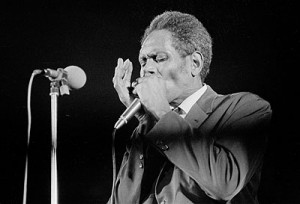
Big Walter Horton
Often hailed as having the biggest tone and deepest phrasing in blues history, "Big Walter" Horton (Walter Horton) was a profound influence on generations of players. Known for his work with Muddy Waters and Memphis Minnie, his eerie, soaring high-register lines on songs like "Easy" and "Looking for Trouble" established him as an unmatched titan of Chicago blues harp.
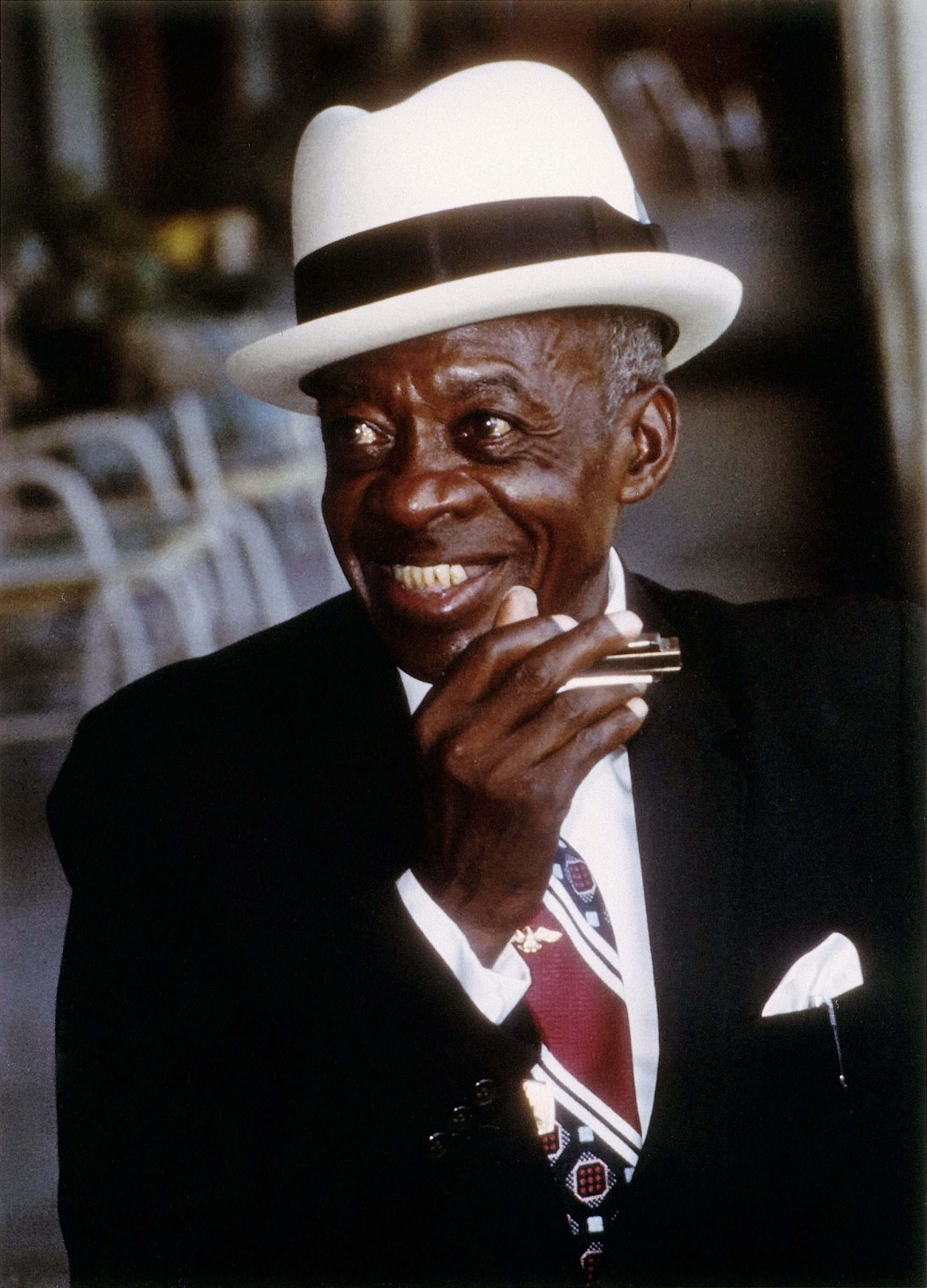
DeFord Bailey
DeFord Bailey was an American country music star and the pioneering African American performer on the Grand Ole Opry. Nicknamed the "Harmonica Wizard," Bailey's rhythmic train imitations and traditional folk tunes, such as "Pan-American Blues," made him a national broadcasting icon during the dawn of recorded country music.
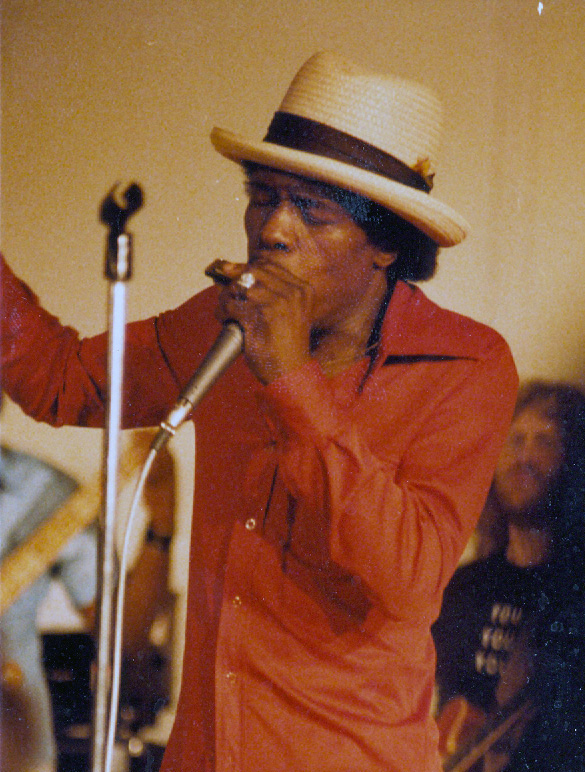
Junior Wells
Junior Wells was a charismatic blues giant celebrated for his dynamic stage presence, sharp attire, and deep-groove harmonica style. Partnering for decades with guitarist Buddy Guy, Wells recorded iconic cuts like "Messin' with the Kid" and the landmark album *Hoodoo Man Blues*, cementing his status as a pillar of modern electric blues.
Little Walter
Widely considered the Jimi Hendrix of the harmonica, Little Walter (Marion Walter Jacobs) revolutionized the instrument by being the first musician to intentionally use electronic amplification, cupping a microphone to his harp to create a distorted, saxophone-like horn sound. His instrumental masterpiece "Juke" topped the R&B charts, and his work with Muddy Waters defined post-war Chicago blues.
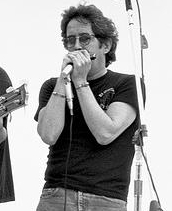
Paul Butterfield
As the leader of The Paul Butterfield Blues Band, Paul Butterfield brought blistering, amplified Chicago-style blues harmonica to mainstream counterculture audiences, playing historic sets at the Monterey Pop Festival and Woodstock. His intense, blues-drenched solos on records like *East-West* broke barriers between rock, blues, and modal jazz improvisation.
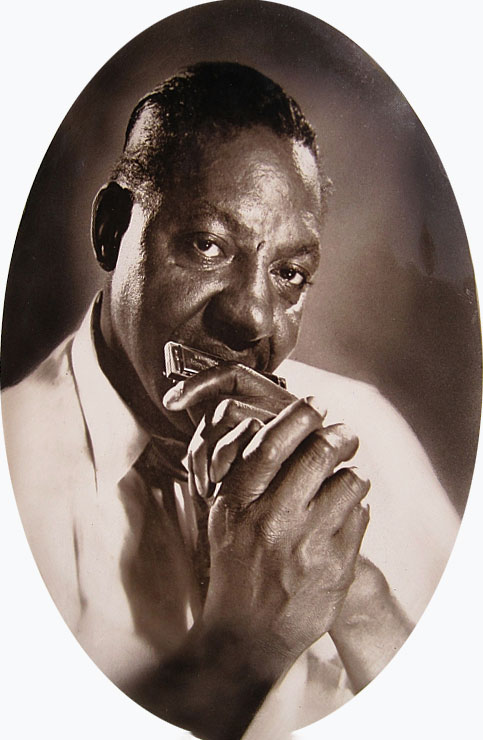
Sonny Boy Williamson II (Rice Miller)
A master storyteller, towering blues persona, and exceptional songwriter, Sonny Boy Williamson II (born Alex "Rice" Miller) became a legendary figure on King Biscuit Time, America's first daily live blues radio show. His sophisticated phrasing and classic compositions like "Help Me," "Don't Start Me Talkin'," and "Eyesight to the Blind" remain foundational templates for blues musicians worldwide.
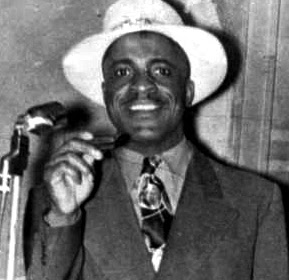
Sonny Boy Williamson I (John Lee Williamson)
Known as the father of modern blues harp, John Lee "Sonny Boy" Williamson established the harmonica as a legitimate lead solo instrument in the 1930s and 40s Bluebird recording era. His signature style on recordings like "Good Morning, School Girl" heavily influenced every major post-war electric blues player who followed him.